SPECIAL!!
Tour today to view our brand-new appliance package in select homes!
Call for Details!
Engineered out of Bay marshlands in the 1960s, Foster City built a reputation on master-planned precision, serene lagoon channels, and superb quality-of-life.
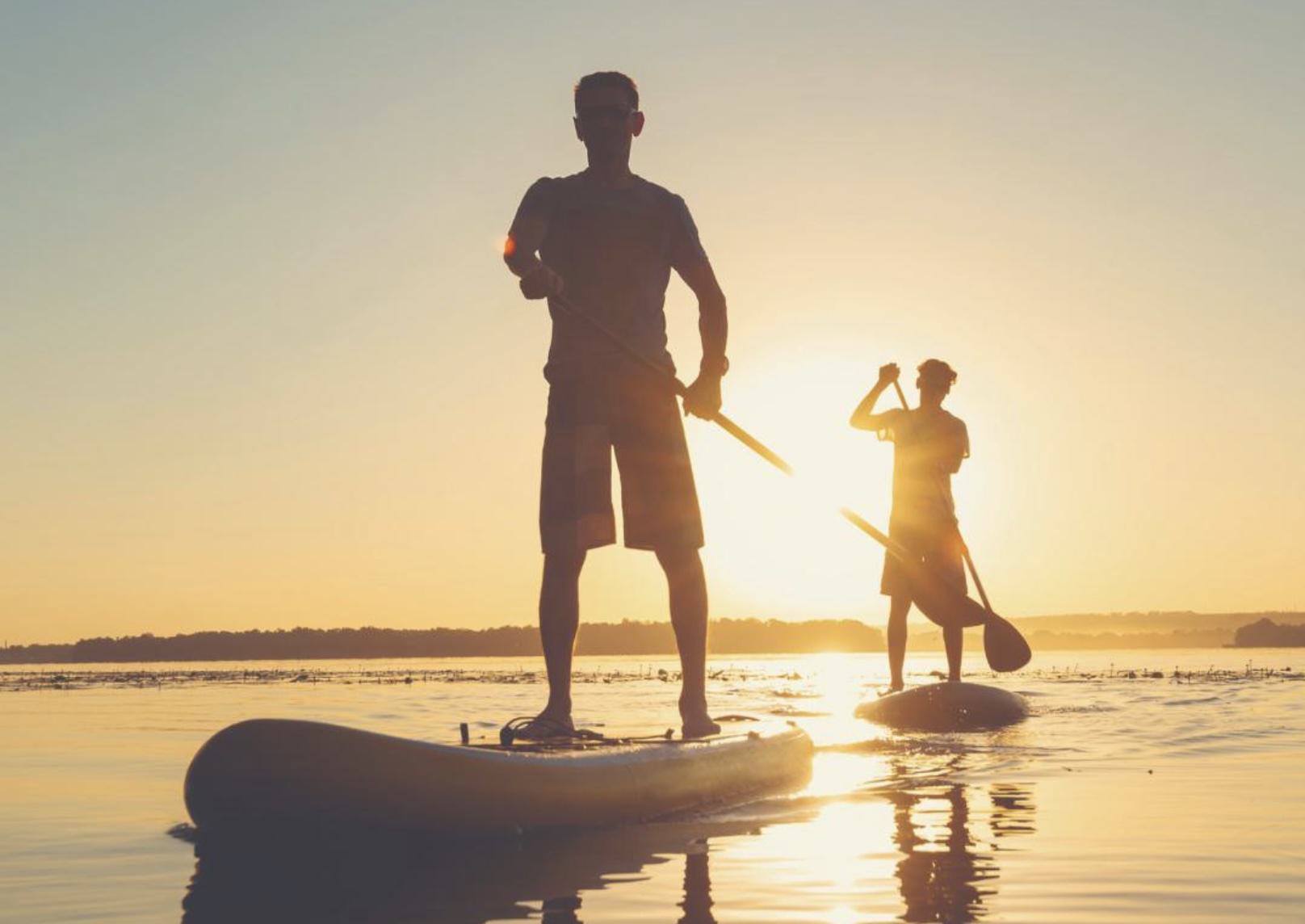
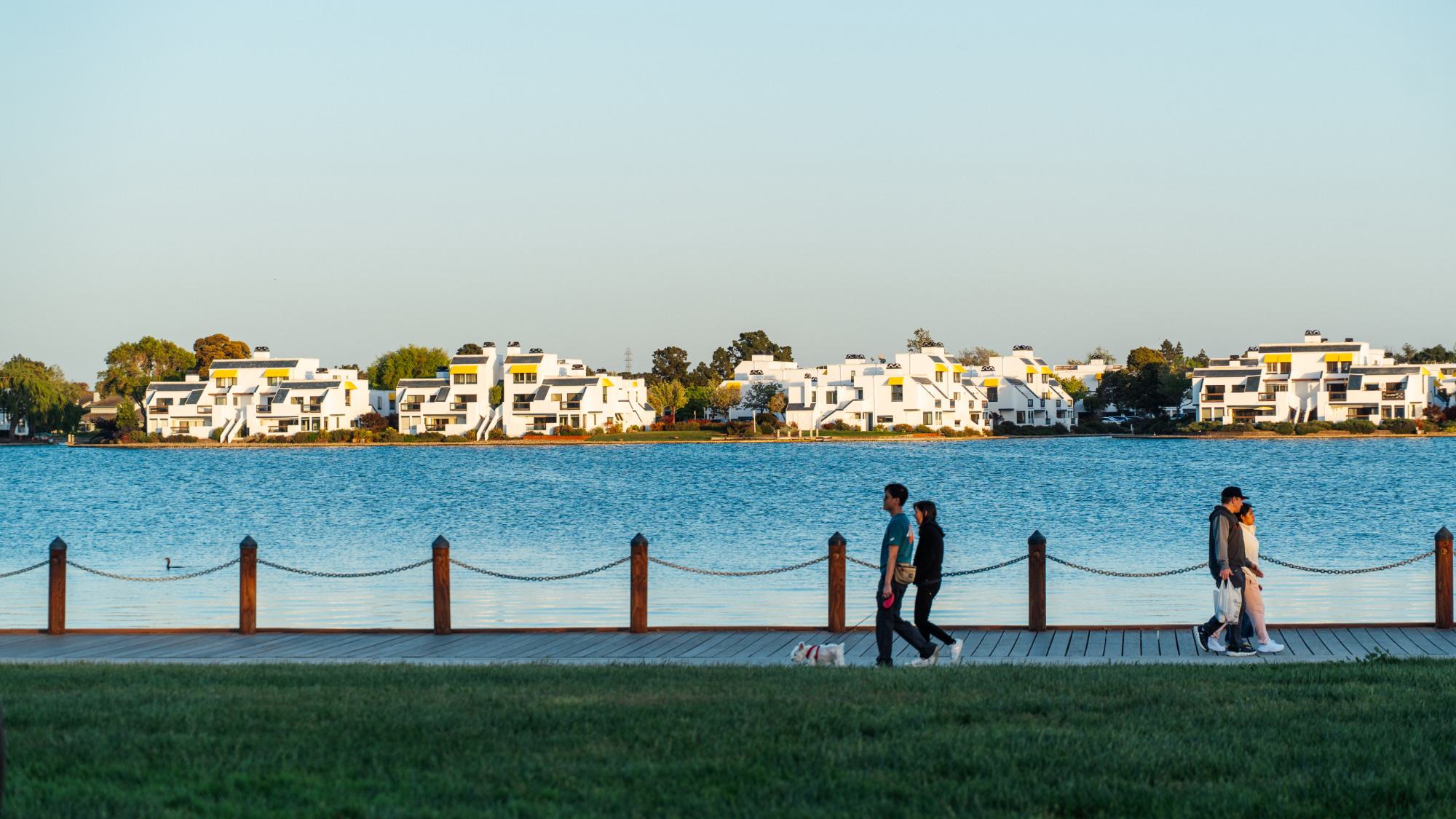
16+ Miles of Lagoon Channels: Constructed over reclaimed bay marshland in the 1960s, the city is built around 218 acres of artificial canals and lagoons. The waterways extend roughly 16.5 miles through residential neighborhoods, giving hundreds of waterfront homes direct backyard access for small, non-gas-powered watercraft like kayaks, paddleboards, and electric boats.
More Water Footprint Than Land: According to U.S. Census data, Foster City covers about 19.8 square miles total, but more than 80% of that territory is water. That includes its outer boundary jurisdiction in the San Francisco Bay along with the internal 218-acre lagoon network.
Nationally Recognized Windsurfing Launch (3rd Ave): Located along the outer bay shoreline, Foster City's 3rd Avenue Beach is one of the premier windsurfing and kiteboarding spots in the United States. Compressed wind patterns creating a natural wind tunnel effect combine with flat bay waters to draw world-class riders and host Fleet 18, one of the country's oldest windsurfing fleets.
Electric-Only Waterway Rules: To keep the canals quiet and clean, gas-powered motorboats are banned on the lagoons. Water activity is strictly electric boats, sailboats, kayaks, and paddleboards. It keeps the waterways calm for residential backyards and leaves the channels safe for light water sports.
Western Terminus of California's Longest Bridge: Foster City marks the western end of State Route 92 and the San Mateo–Hayward Bridge. Spanning 7 miles (11.3 km) across the San Francisco Bay to Hayward in the East Bay, it holds the record as the longest bridge in California.
1960s Master-Planned Development: Established on the 2,600-acre footprint of Brewer’s Island—a former dairy farm and hay field in the San Francisco Bay marshlands—Foster City was designed from scratch starting in 1960 by developer T. Jack Foster. The massive civil engineering effort reclaimed the low-lying island using millions of cubic yards of sand engineered for structural stability, creating one of Northern California's most ambitious and meticulously pre-planned communities.
Engineered Flood Control System: The internal lagoon network acts as a closed-system storm drainage basin that prevents ocean tides and rain runoff from flooding the city. Runoff drains into the central lagoon, where an automated pumping station regulates water levels and discharges excess water into San Francisco Bay through a series of tidal gates. This design kept the low-lying city dry during major Bay Area storms, including severe El Niño events in 1982 and 1998 that affected neighboring peninsula communities.
Pod-Style Urban Layout: The city was originally designed around nine self-contained residential areas, historically referred to as Neighborhoods 1 through 9. Each pod included its own elementary school, park, and small shopping center, allowing residents—especially children—to reach daily essentials without crossing busy main streets. Modern housing complexes like The Triton sit outside these original 1960s pods, belonging instead to the Pilgrim-Triton Master Plan, a 20.75-acre project launched in 2008 to convert older industrial and commercial land into mixed-use residential space.
Leo J. Ryan Park and Historical Namesake: The city’s central civic park sits directly on the main lagoon basin, hosting local summer concerts, community events, and water sports launches. Originally called Central Park, it was renamed to honor U.S. Congressman Leo J. Ryan, who represented the district and helped lead the effort to incorporate Foster City in 1971. In November 1978, Ryan was assassinated at an airstrip in Port Kaituma, Guyana, while leading a congressional fact-finding mission to investigate the Jonestown cult—making him the only U.S. Member of Congress killed in the line of duty.
Geography-Driven Safety Profile: Thanks in part to its peninsula location—surrounded by water with only a few entry bridges—Foster City routinely ranks among the safest small cities in California, historically averaging about one homicide per decade.
Inspiration for the Film Over the Edge (1979): In 1973, a San Francisco Examiner investigative article titled "Mousepacks: Kids on a Crime Spree" detailed an unusual wave of property vandalism and juvenile mischief among bored teenagers in Foster City's newly built suburban tracts. Screenwriters Tim Hunter and Charlie Haas used the reporting and interviews with local youth as the basis for their script Over the Edge—the cult classic coming-of-age film that marked Matt Dillon's acting debut.
Corporate Hub:Despite its quiet, suburban feel, Foster City houses significant corporate campuses along its commercial corridors. It serves as the global headquarters for biopharmaceutical giant Gilead Sciences and maintains a massive campus footprint for Visa, which operated its global headquarters in the city for decades before opening a dual campus model with San Francisco.
Coveted Mid-Century Waterfront Properties: When the first family moved into Foster City in March 1964, a new 4-bedroom home on Pilgrim Drive cost $23,500. Today, those original mid-century homes along the lagoons regularly sell for $1.9 million to over $2.3 million, reflecting the broader Bay Area housing surge over the decades.
Located directly on the lagoon, modern apartments at The Triton are for anyone who wants a waterfront retreat with easy access to the rest of the Bay. Enjoy on-site parking, EV charging, and a location right by the San Mateo-Hayward Bridge, plus luxe features like our resort-style pool, fitness center, and more. Contact us today to schedule a tour or explore move-in specials.